

Brand guidelines your AI tools can actually follow
Claude, ChatGPT and Midjourney will follow your brand if you give them something to follow. We build that into the brand system, and it comes with every project.
By Victor Deaconu.
(001)
AI-ready brand guidelines are brand rules written so an AI tool can follow them. Colour, type and spacing have exact values. Voice comes as do and don't examples. Approved facts are listed, and visual references sit beside them. The team loads them into the tools it already uses, so every output starts from the same brand.
The rules are written while the identity is designed, so colour, type and spacing start as values. Those values go into the design file, the website code, and the files the team's tools read. AI workflow documentation comes with every Baseline project, handed over with the final guidelines and source files.
A brand built for a smaller company gets read by tools at speed. The old deck, the old site and last quarter's prompt all answer at once. Gaps that used to show up over a year show up in a week. A brand system takes 3 to 4 weeks. Brand plus website takes 6 to 8 weeks.
Why your team's AI output goes off brand.
Tools turn a week of work around in an afternoon. Every gap in the brand shows up a week early. None of them means the team did something wrong. The brand was made for people to read. The tools meet a thinner copy of it.
- 01
The brand lives where tools cannot read it.
Hex codes sit in swatch images, type rules in specimen sheets, spacing in a Figma frame. A person can open the PDF and see the colour. A tool gets a picture of a page and the caption beside it. It reads the caption and misses the value, so the next deck invents a colour that was never specified.
02Adjectives do not travel.
Confident but warm means something to a designer who has sat with the work. To a tool it means the average of everything it has seen with those words attached. Two people can paste the same line and get two brands, because the words never named a size, a colour or a sentence to copy.
- 03
Every chat starts from zero.
One person pastes a paragraph, another pastes nothing, a third uses last quarter's version. Same company, three voices. The tool has no memory of the last deck that was right. Each chat is a new start, with whatever that person happened to attach.
04Nothing says what the tool may claim.
Without a list of approved facts it fills gaps with plausible numbers, customers and promises. Ask for a customer count and it will often answer. The number sounds specific. It was not in any file the company approved.
- 05
Text tools and image tools never share a source.
The copy, the deck and the images each come from a different prompt and look like three companies. The writing tool has a tone. The image tool has a look it took from the adjectives in its prompt. Nothing makes them share a colour, a type style or a crop.
06Nobody owns the copies.
Files uploaded to a tool are copies. When the brand changes, they do not. The PDF in a project is the brand as it was the day someone uploaded it. A new line, a retired claim, a corrected name: the chats keep the old file until a person goes back and replaces it.
A free intro call shows where yours breaks. Book a free intro call.
What a brand system has to give an AI tool.
Six things. Each one removes a guess the tool would otherwise make, so the team can make on-brand work without asking a designer each time. This page names the requirements. It does not hand over a set of templates to fill in. The templates change with the tools. The requirements do not.
Rules with exact values.
Type scale, spacing scale, colour pairs with contrast checked, and a fallback for each font. The values are numbers a tool can copy. Slide sizes, margins, how many bullets, and one highlight colour belong in the same list, so a generated deck has a box to stay inside.
No more than three type styles per page.
Voice shown in examples.
A line in your voice and a line that is not, plus words you use and words you never use. A tool can follow a sentence it can see. A mood word gives it nothing to copy, so it supplies its own.
Say: People decide what level you're at before they understand what you do.
Not: We elevate brands through bespoke solutions.
Facts the tool may use.
Approved claims, product names spelled right, and proof it may quote. When a fact is missing, the file says so in the open, the way a missing fact is marked on this page, so the tool has a place to stop instead of a gap to fill.
Visual references for image tools.
Words do not carry a look. Pair a short description with anchor images that show the colour, texture and lighting without a subject, and write down what to leave out. A prompt on its own drifts toward whatever the model treats as average. Midjourney's style reference is one place an image tool already accepts that pair: a reference image and a style weight.
Files that match the code.
If the website reads one set of values and the AI files hold another, they drift within a month. We design the identity and build the site, so the tokens in the repo and the values in the AI files are the same list. Same values, one source.
A test and an owner.
Run the same three real tasks twice, once with the files loaded and once without. Score both for right colours, right type, approved facts only, and banned words absent. Whatever still fails is a rule that is missing or vague. One person approves the change. The file carries a version and a date.
Which file goes where.
| Tool | Where it is loaded | What to load |
|---|---|---|
| Writing assistant | A project or saved instructions | Short rules, voice examples, approved facts |
| Custom assistant | The assistant's instructions | The same files, plus what it may claim |
| Design-to-code tool | The project the tool reads | Values that match the website code |
| Image tool | A style reference and a short note | Anchor images and a list of exclusions |
| The repo | Beside the code | The values the site and the tools both read |
Mostly plain text. Markdown suits rules and voice. A tokens file suits exact values for colour, type and spacing. The original logo, font and image files sit beside them. Keep the PDF for the people who design, print and approve. It holds the reasoning behind each rule. The AI files are a second, stricter version of the same decisions. Both should come from one source, so a change in one has a path to the other.
llms.txt is a different file. It is public, and it tells answer engines what the company is and where its pages are. Brand files for the team's tools describe how the brand looks and sounds. Keep them separate. One is for engines reading the site. The other is for the tools producing the work.
One person owns the brand files, usually the brand or design lead, and every change goes through that person. The files live in one place with a version and a date at the top. Keep a list of where each copy is loaded, and replace those copies when the brand changes. Uploaded files go stale on their own.
What this looks like in a Baseline project.
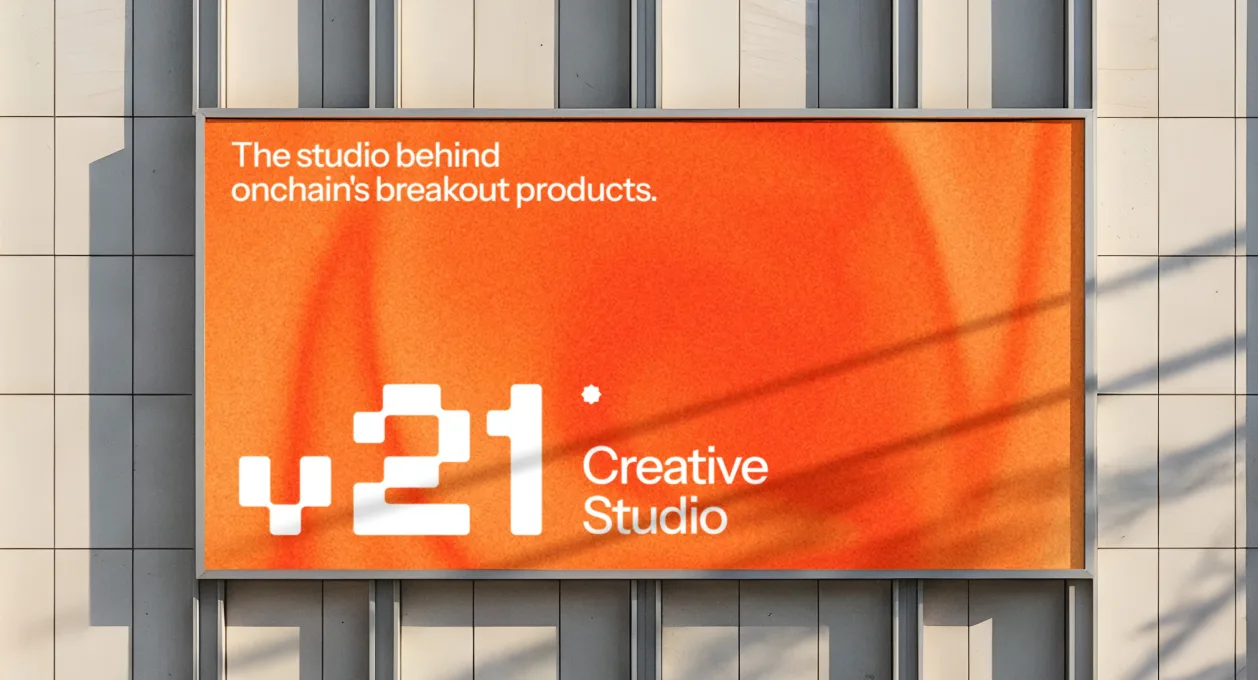
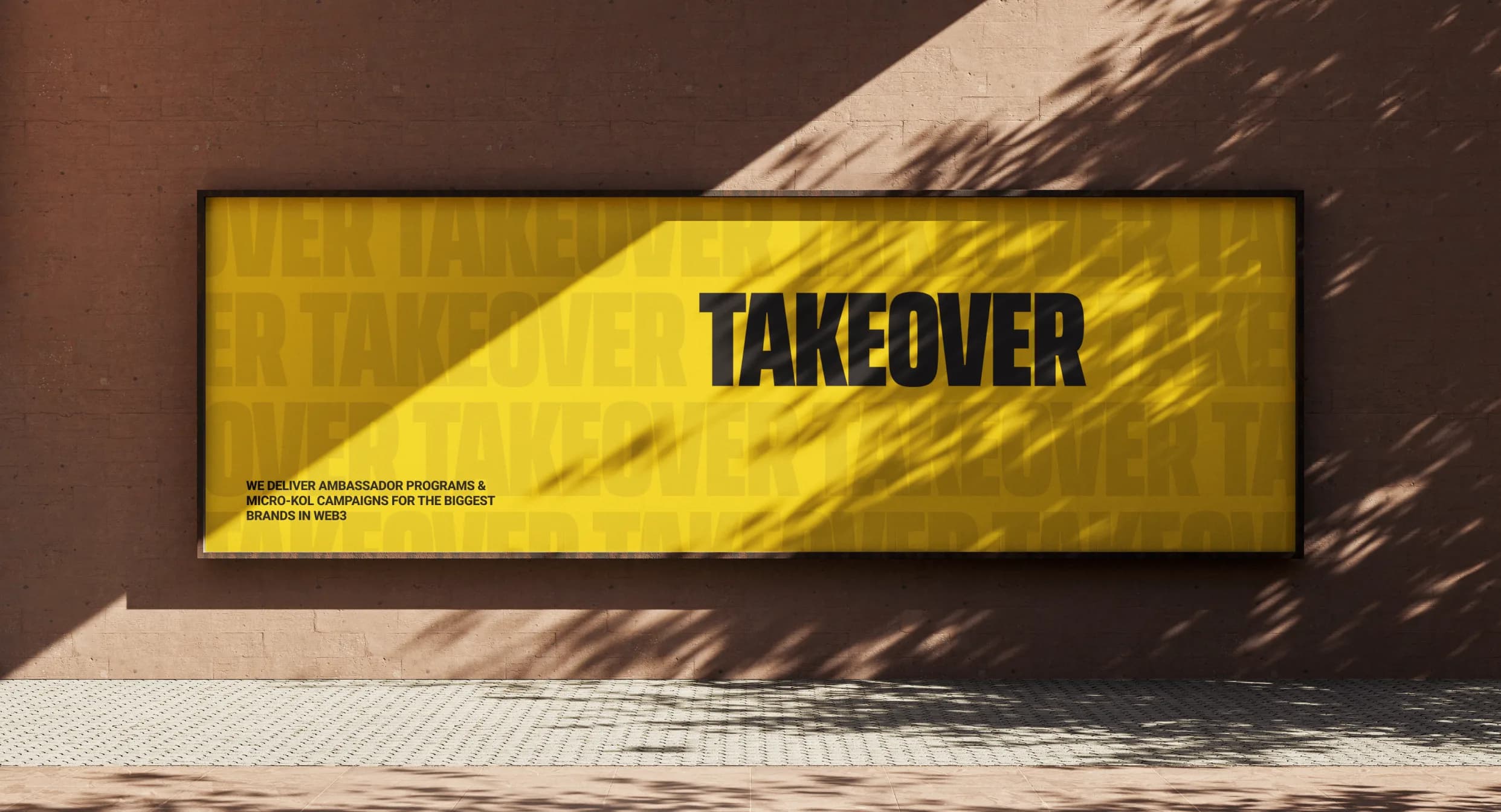
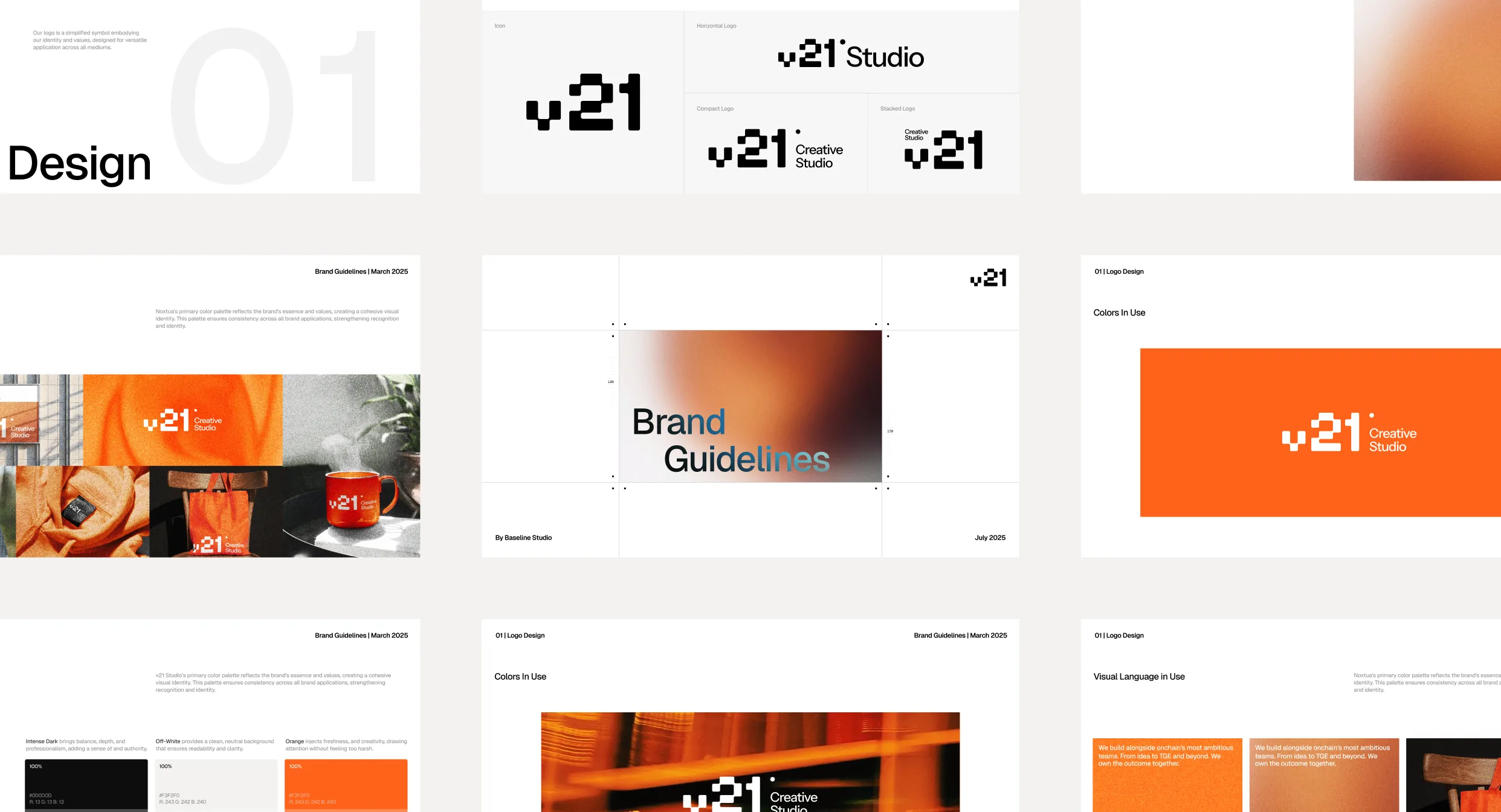
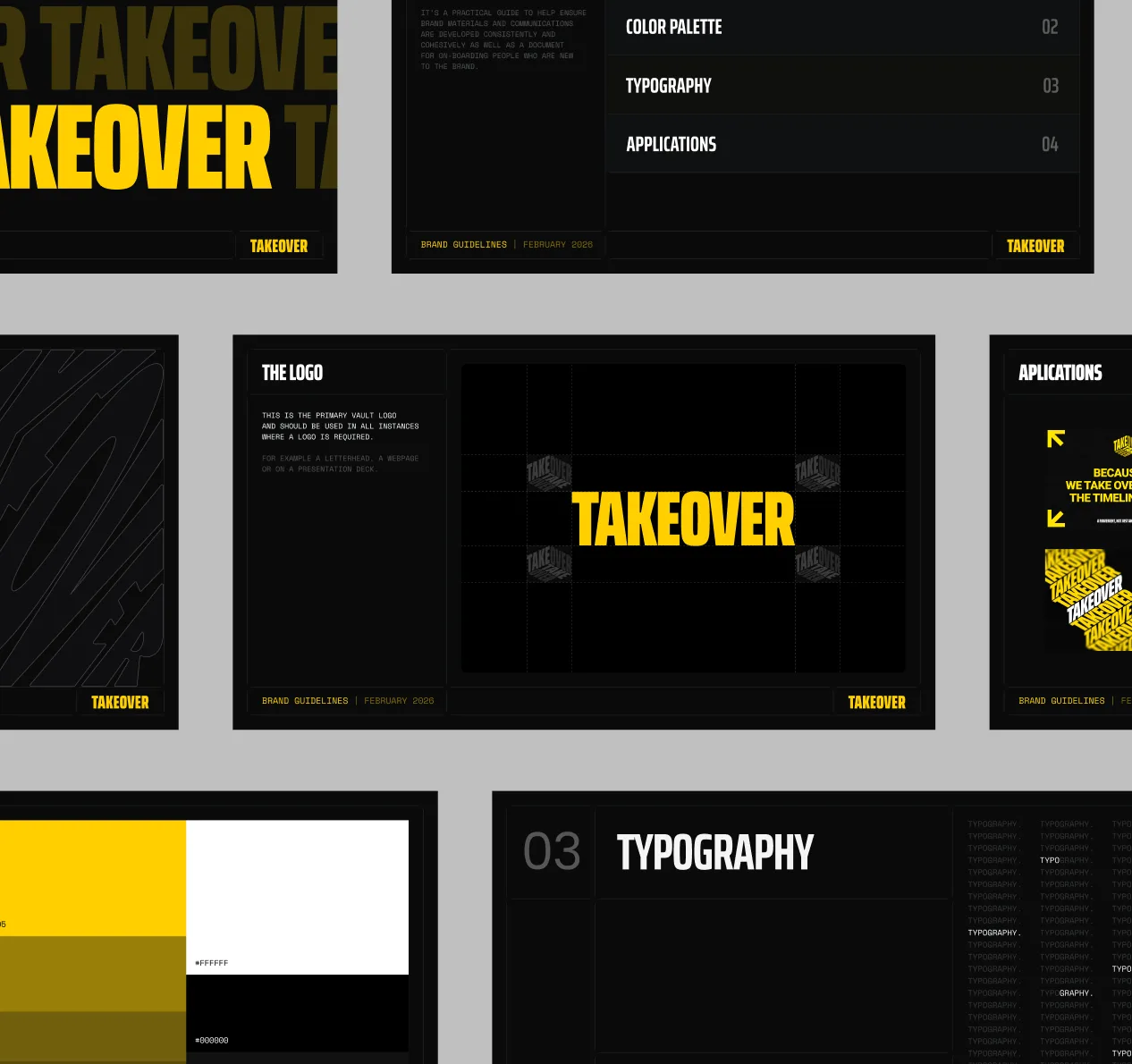
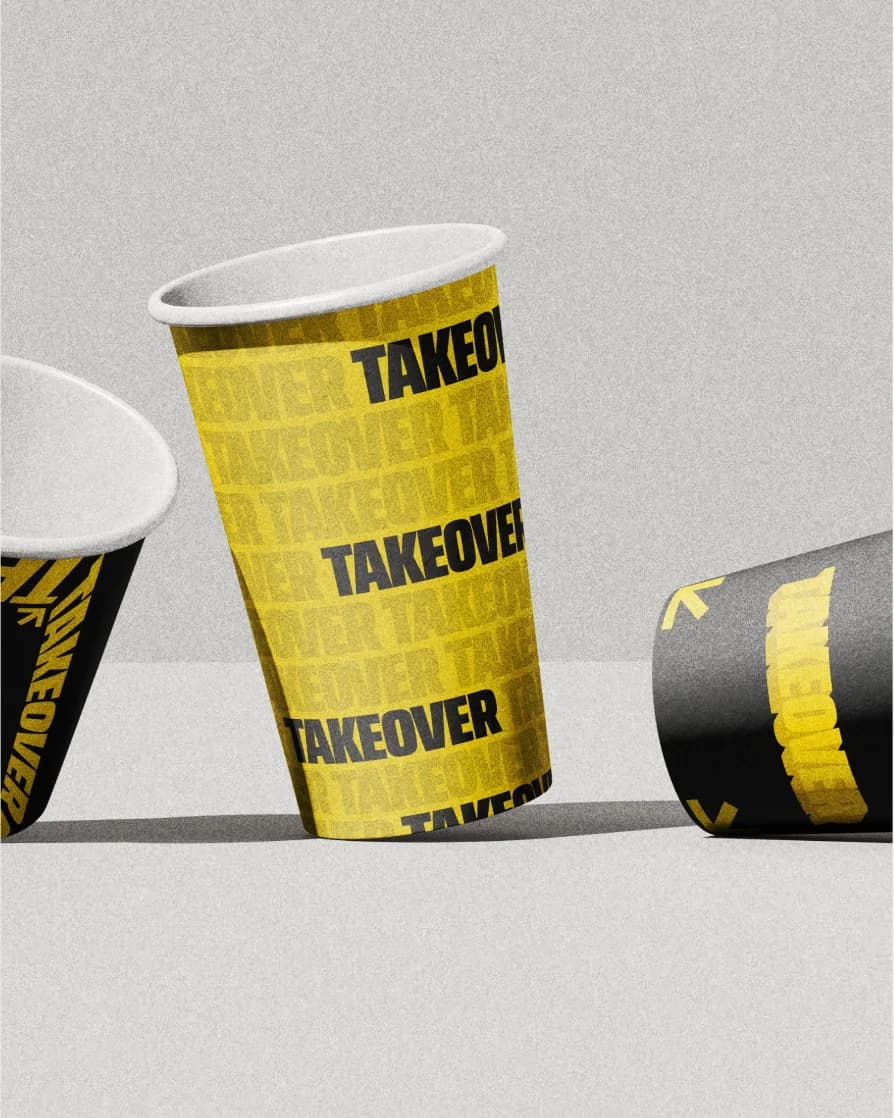
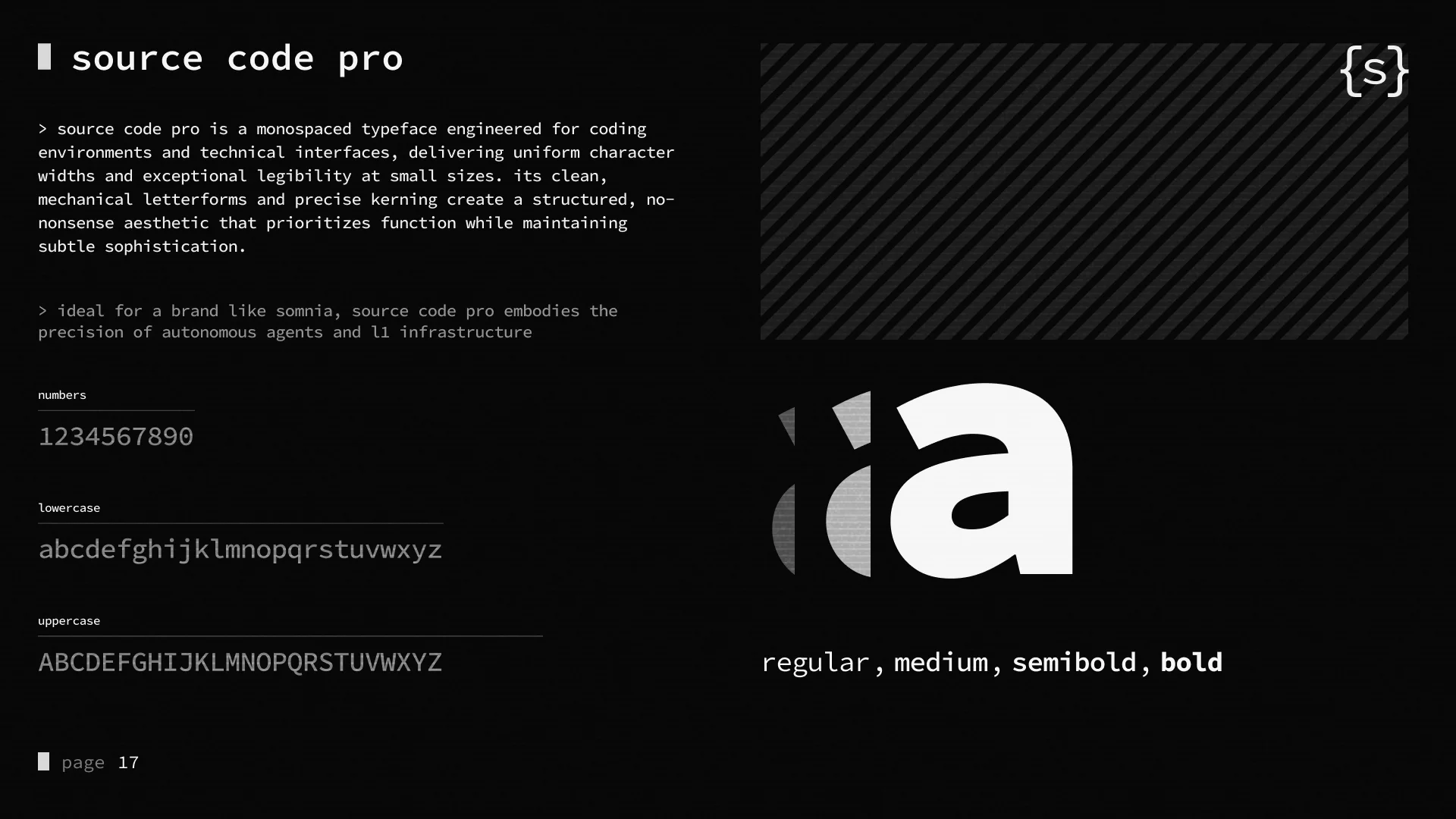
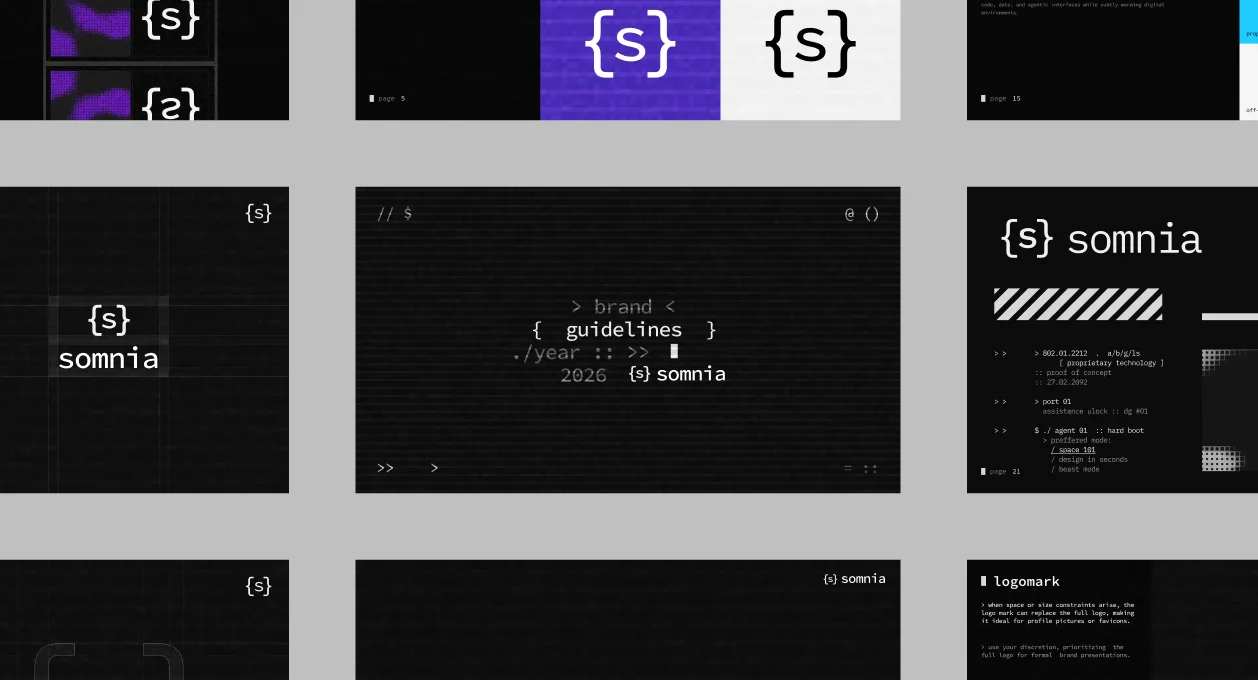
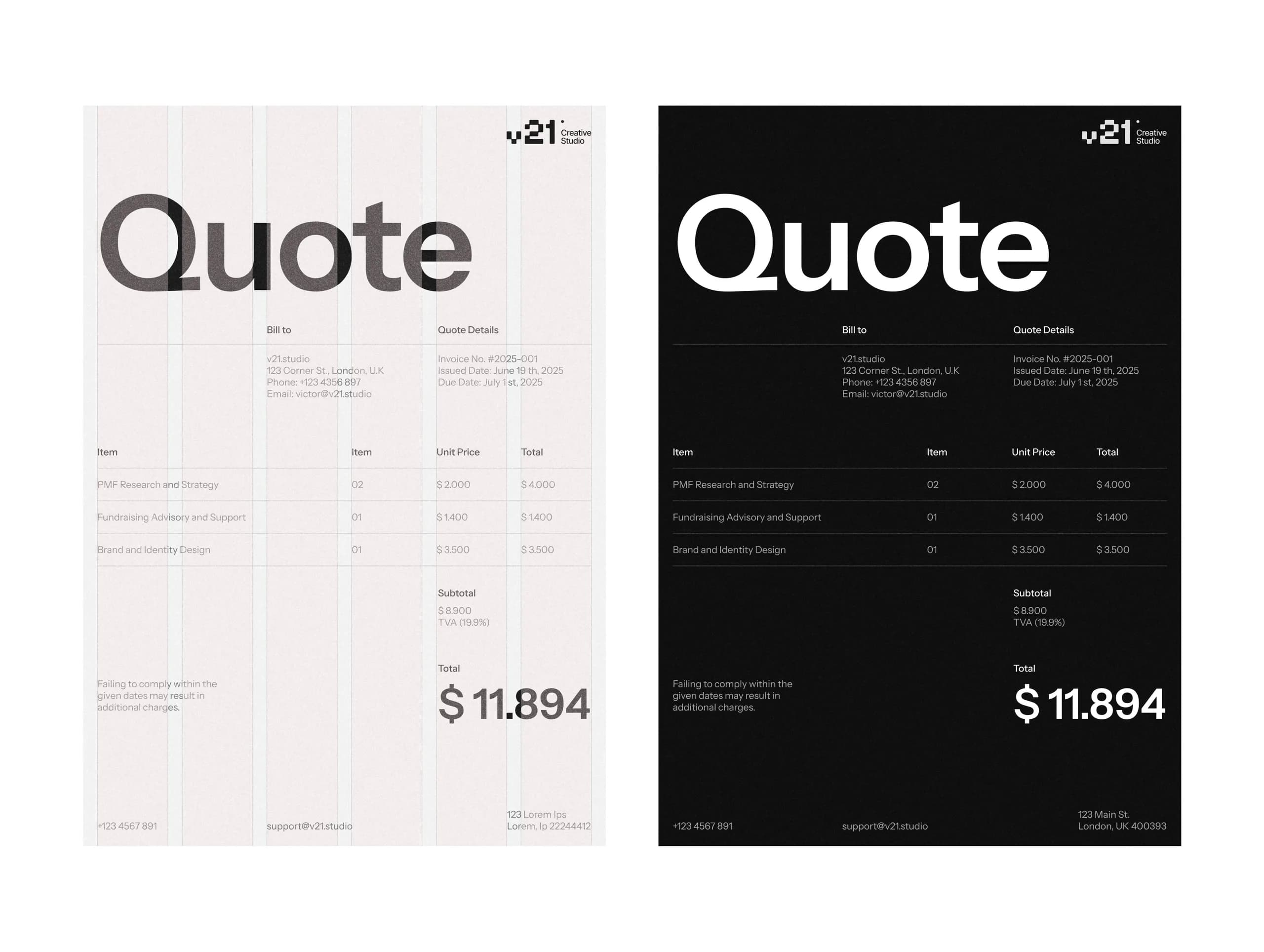
AI workflow documentation comes with every Baseline project. It is made while the identity is designed and handed over with the final guidelines and source files. The pictures on this page are real Baseline work the rules have to survive: guidelines, type, a website, a billboard, a post. Four pieces of this guide are still waiting on Victor, and they are marked as such. Nothing below is filled in with a guess.
What you receive.
Placeholder: waiting on Victor (exact list of AI workflow documentation contents)
When it is made.
Placeholder: waiting on Victor (the timeline wording)
See it.
Placeholder: waiting on Victor (the brand file excerpt)
Placeholder: waiting on Victor (the folder tree)
Five quick checks on your current setup.
- 1
Ask your tool to describe your brand in three sentences. Compare with your positioning line.
- 2
Make the same slide three times in three chats. Compare.
- 3
Ask it for a customer number or a claim. See whether it invents one.
- 4
Ask two colleagues which brand file they use. See whether the answers match.
- 5
Find the date of the last update on the file the tools read.
You can run the five checks in about 15 minutes. They do not repair the files. They show whether the file the tools read is the brand you think you have. If two or more fail, the brand is leaking in the tools. A free intro call shows where.
1M+
people using products built
100%
on-time launches
$500k
generated across 6 months
Included
in every project
“I found the collab very responsive and you were able to execute the design and artistry to a level beyond our imagination.”
Read the v21 Studio case study. New work won in the six months after the rebrand.
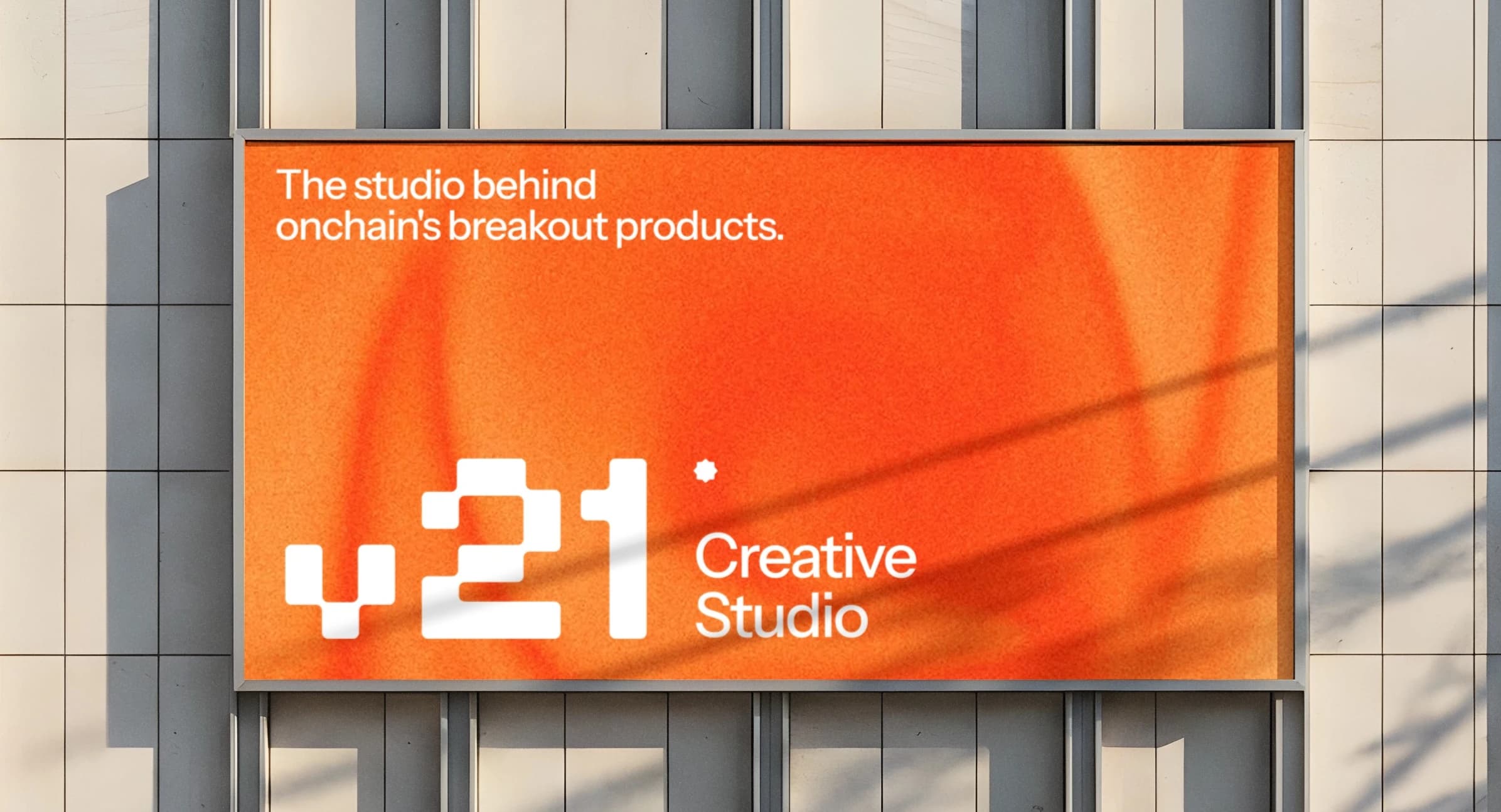
v21(Billboard) 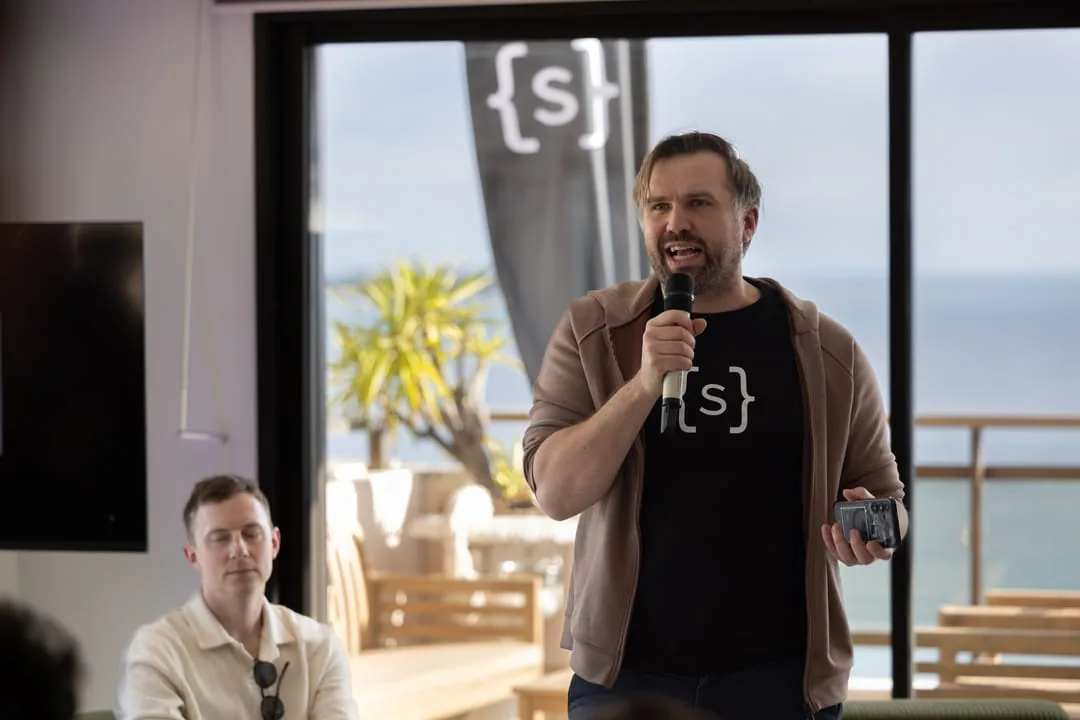
Somnia(On stage) 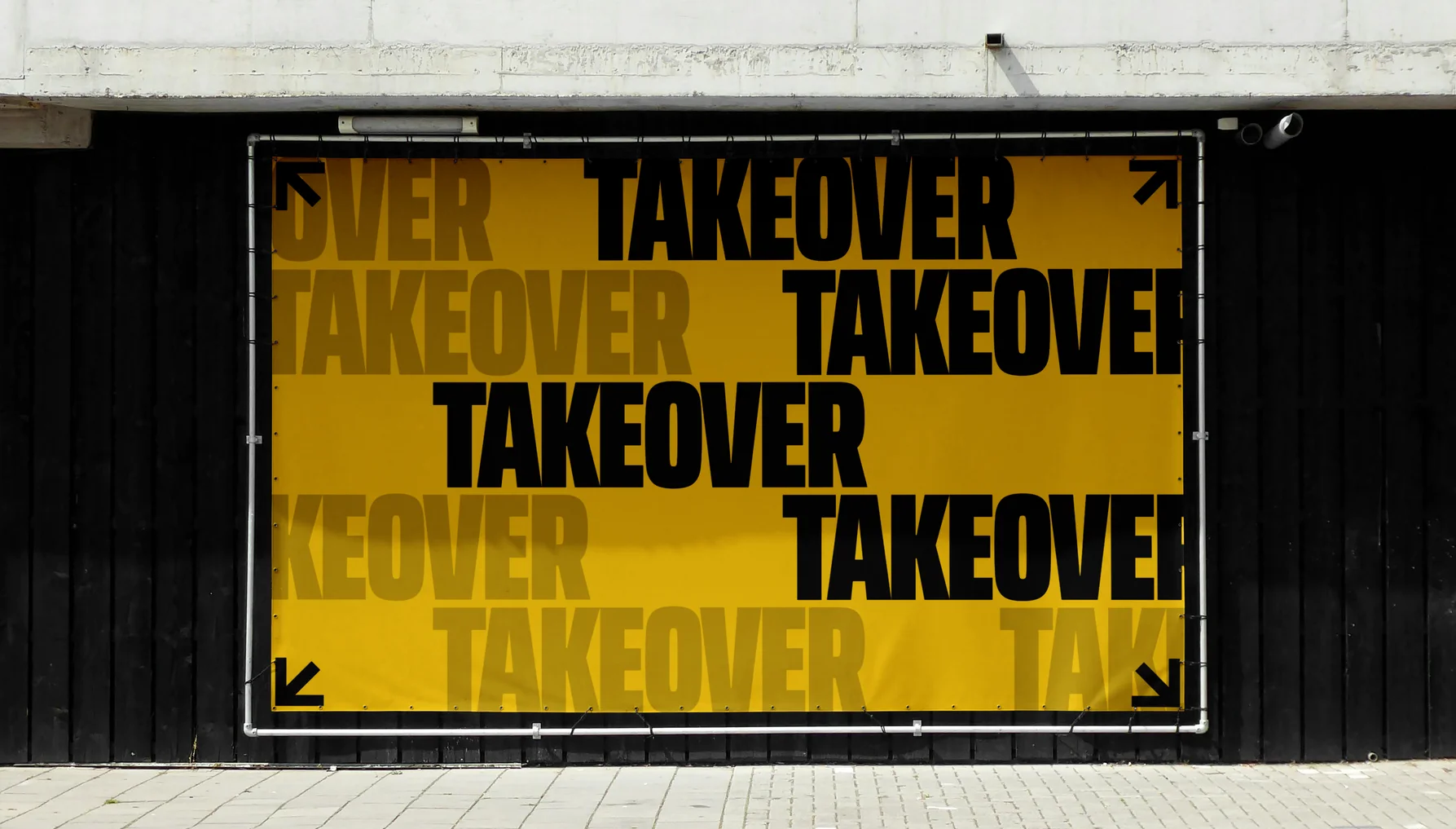
Takeover(The name) 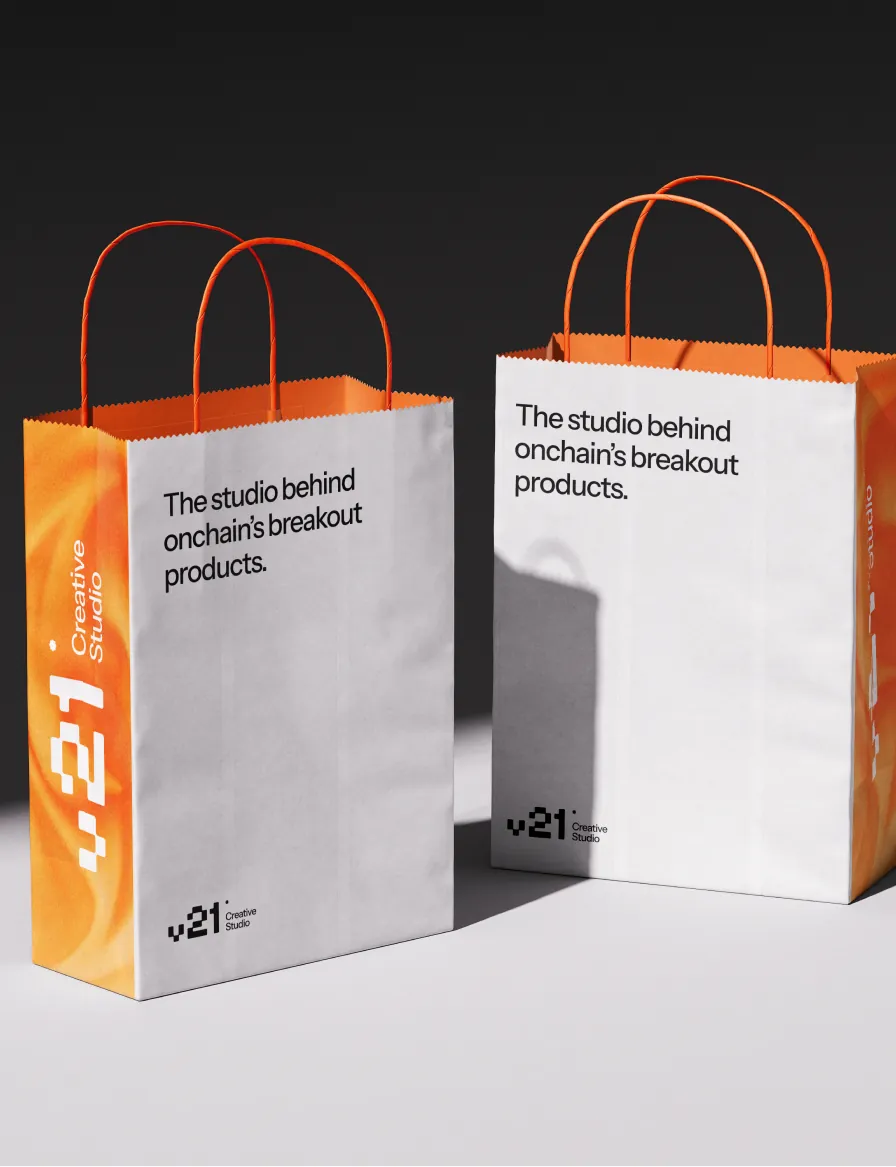
v21(Bags) 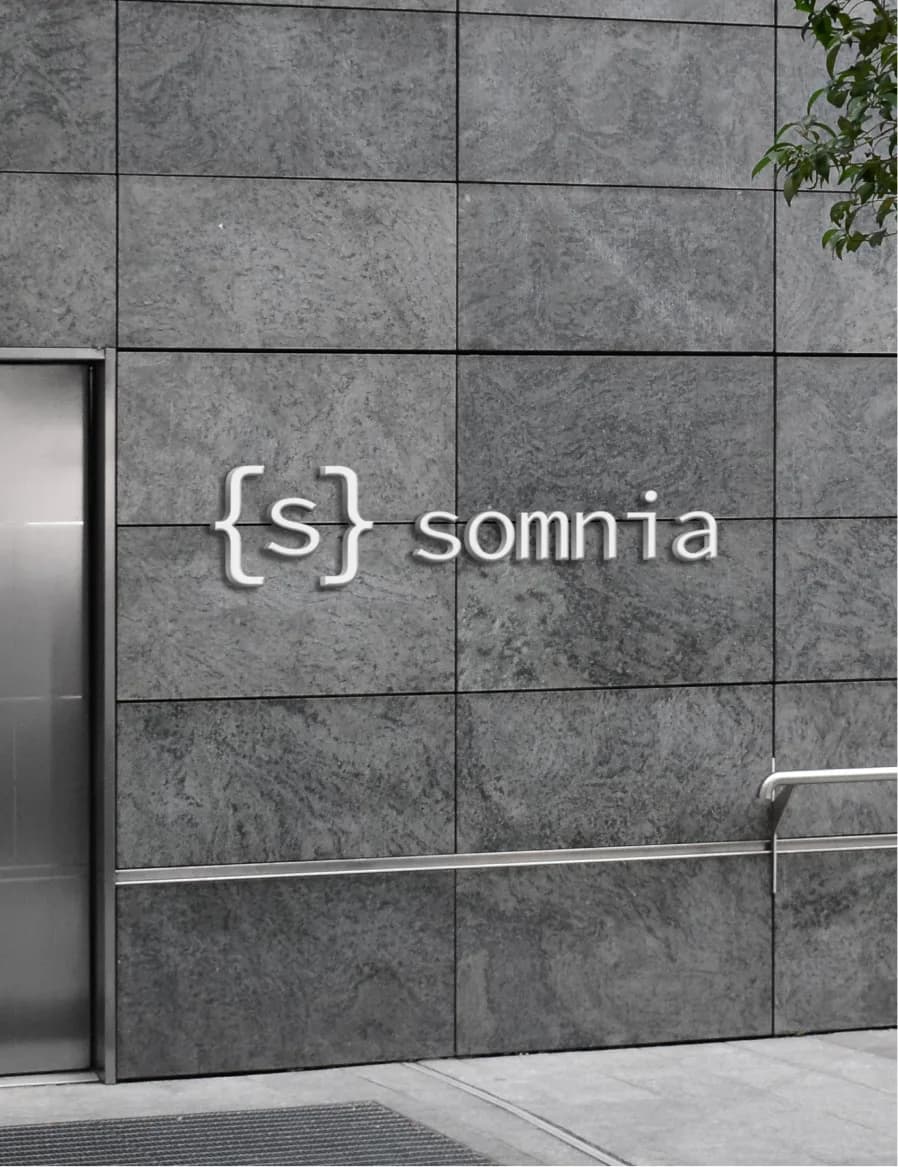
Somnia(On stone) 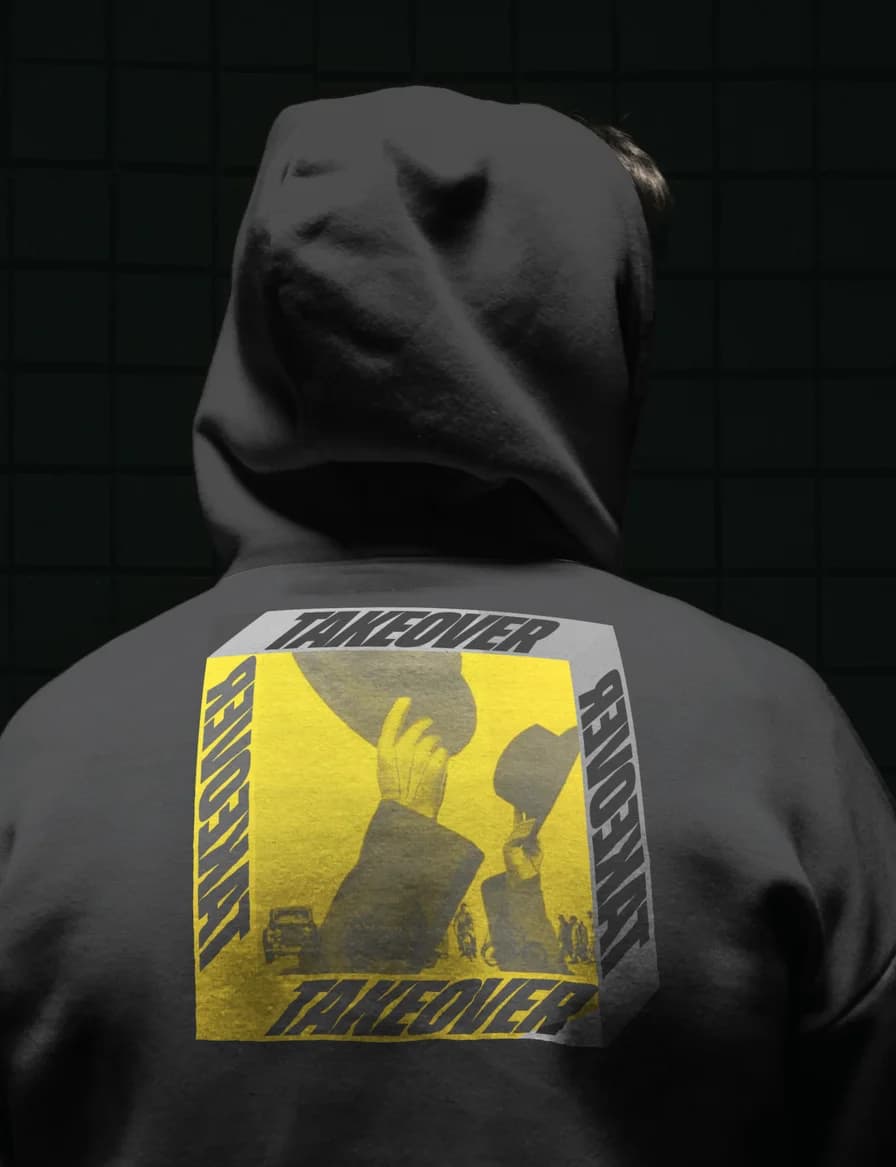
Takeover(Hoodie)
Why the team that builds the site matters.
Most brand work ends at the files. We also design and build the website, so the values the AI reads are the values the site runs on.
What a system includes sits under brand identity systems.
(012)
Because each tool starts with nothing. Your rules sit in a PDF or a Figma file as pictures and adjectives, and every person opens every chat from zero. With no exact values, no approved facts and no shared references, each tool fills the gaps with its own average, and the work drifts away from you.
AI-ready brand guidelines are brand rules written so an AI tool can follow them. Colour, type and spacing have exact values. Voice comes as do and don't examples. Approved facts are listed, and visual references sit beside them. The team loads them into the tools it already uses, so every output starts from the same brand.
Yes, when the guidelines are short, explicit and kept where the tool reads them every time, such as a project, a custom assistant or saved instructions. They struggle with a long PDF full of images and mood words. Give them numbers, examples and a list of what they may claim, then check what comes back.
Mostly plain text. Markdown suits rules and voice, a tokens file suits exact values for colour, type and spacing, and the original logo, font and image files sit beside them. Keep the PDF for the people who design and print. No single file carries a whole brand, so each part goes in the format that keeps it intact.
A brand.md file is a plain-text file that gives AI tools a brand's positioning, voice and visual rules in one place. It usually sits beside other files such as llms.txt and a design file for interfaces. It is an emerging convention, not a formal standard, so the exact layout differs from team to team.
Words alone do not carry a look, so pair a short written description with reference images. Midjourney, for example, accepts a style reference image and a style weight to hold colour, texture and lighting steady. Choose plain anchor images that show the look without a subject, and add a list of things to exclude.
Six things: rules with exact values, voice shown in examples, facts the tool may use, visual references for image tools, files that match what the website's code uses, and an owner with a test. Each one removes a guess the tool would otherwise make, so the team can make on-brand work without asking a designer each time.
Run the same three real tasks twice, once with your brand files loaded and once without. Score both against a short checklist: right colours, right type, approved facts only, banned words absent. Whatever still fails points to a rule that is missing or vague. Fix the file, not the output, and run it again.
One person owns them, usually the brand or design lead, and every change goes through that person. The files live in one place with a version and a date at the top. Uploaded copies go stale, so keep a list of where each one is loaded and replace them whenever the brand changes.
Yes. People who design, print and approve work still read the PDF, and it holds the reasoning behind each rule. The AI files are a second version of the same decisions, short and strict. Both should come from one source, so a change in one reaches the other.
No. llms.txt is a public file that tells AI assistants what your company is and where its pages are. Brand files for AI are for your own team's tools and describe how the brand looks and sounds. Keep them separate: one is for answer engines reading your site, the other for the tools producing your work.
AI workflow documentation comes with every Baseline project. It is made during the brand application stage and handed over with the final guidelines and source files. It shows your team how to use the AI tools they already work with, so what they produce stays on brand.
A brand system takes about 3 to 4 weeks. Brand plus website takes about 6 to 8 weeks. AI workflow documentation is part of every project rather than a separate purchase. Each project is scoped after a short call, and the written proposal sets the scope, timeline and fee before anything starts.